From Cockpit to Compost – A Weaver’s Journey

I never set out to be a writer or a photographer. I set out to live a good life close to the Earth, and somewhere along the spiral, the words and the light started chasing me instead of the other way around.
It began small. In junior high, prowling the Orange County Swap Meet, I found a tiny spy camera that fit in my palm like a secret. That spark led me to Big Bend Community College in 1979–80, where I signed up for photography twice—not for the credits, but for the darkroom key. I’d borrow my father’s Olympus system, lose hours in red light and chemical trays, watching images emerge like quiet miracles. When Flying Tigers hired me, I bought a Nikon 8008 and good glass—primes and zooms that turned cockpit sunrises and layover streets into something I could keep. But in the early 2000s, analog fatigue won: no darkroom of my own, film costs, the endless wait. I sold the whole kit—camera, lenses, bag—and the shutter went silent.
The words were quieter still. Through the Kamana Naturalist Training with Wilderness Awareness School, I discovered indigenous storytelling books—how to hold a circle, how to let the land speak through you. A sacred question took root: How can I become a storyteller? I carried tales inside me—Denali’s wind, Idaho’s wild Frank Church skies—but they stayed unwritten, ripening in silence, waiting for soil rich enough to grow.
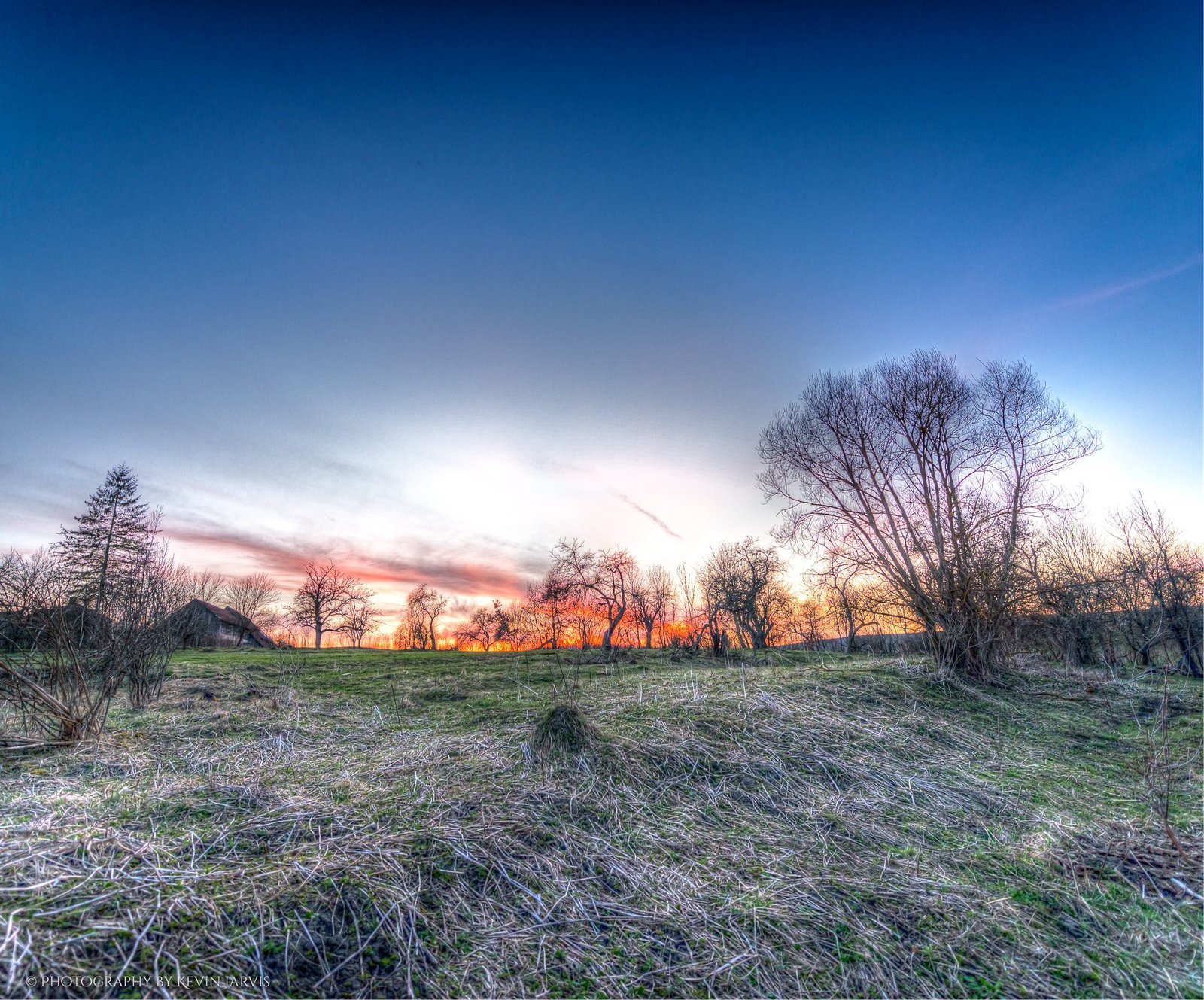
Sweden gave me both gifts back. In the mid-2000s, I bought an entry-level 3/4-frame Nikon, then upgraded to the D610 I still carry. A heavy backpack of lenses followed, but the Tamron 28–75mm f/2.8 became my landscape heartbeat—slightly softer than the Nikon version, yet perfect when Lightroom (and now its AI brushes) helps me paint the exact light I see in my inner vision. No more darkroom longing; the computer becomes my tray, the screen my safelight. Digital set the shutter free again.
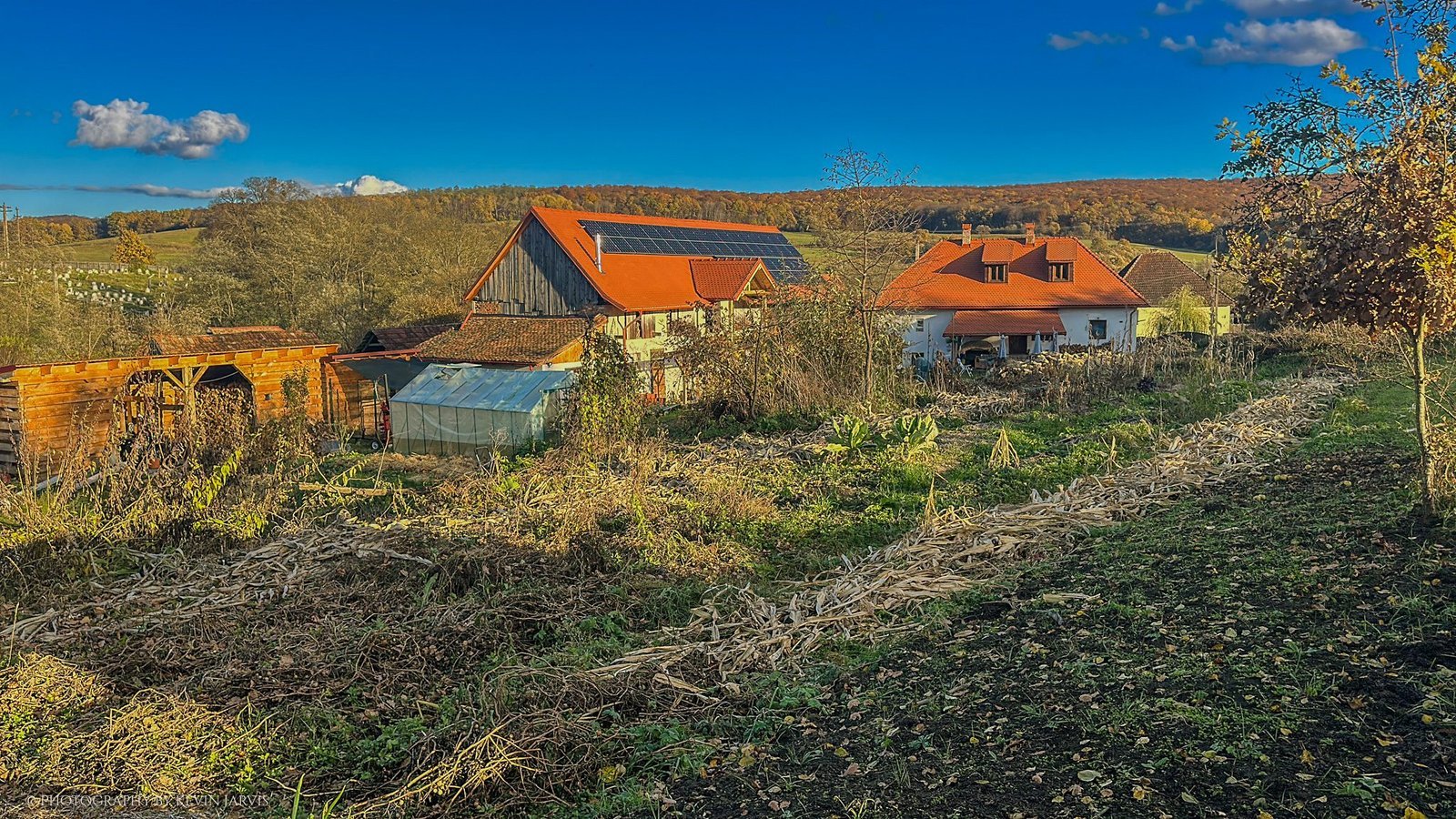
And the stories finally met paper. Climbing Denali at twenty-nine, skiing Swedish and Italian powder at fifty, kneeling in Transylvanian mud at sixty-five, planting garlic while Frida laughs beside me—every chapter became both a frame the Earth insisted I capture and a tale the Earth insisted I tell.
I learned the power of both on a frozen South Dakota prairie, sitting across a small fire from Lakota elder Bert Rooks. He didn’t lecture; he told stories until the wind listened and pointed to horizons until the light itself spoke. My life shifted. It finally became mine.
So I tell them. I capture them. One heart, one honest exposure at a time. Not for likes or brand, but for bridges—between the boy hiding behind a swap-meet spy camera or Catholic-school confessional and the man who now prays with tobacco ties and a Nikon; between the 747 pilot chasing golden hours across time zones and the 65 year old father to a 6 year old who waits for dawn to paint the orchard; between the industrial speed and glare that almost broke me and the permaculture pace and soft light that healed me.
I write and shoot because someone out there is lost in the same jet-lag of the soul I once knew—waking at 3 a.m. under artificial light, wondering which continent their life is on—and if one paragraph or one frame of mulch turning into tomatoes, one story or one shot of a fox curled asleep against my boot, one image of Frida’s muddy grin at sunrise can remind them they belong to the Earth and not the clock or the screen, then the words and the shutter have done their work.
And now I write and photograph with a new co-pilot: AI.
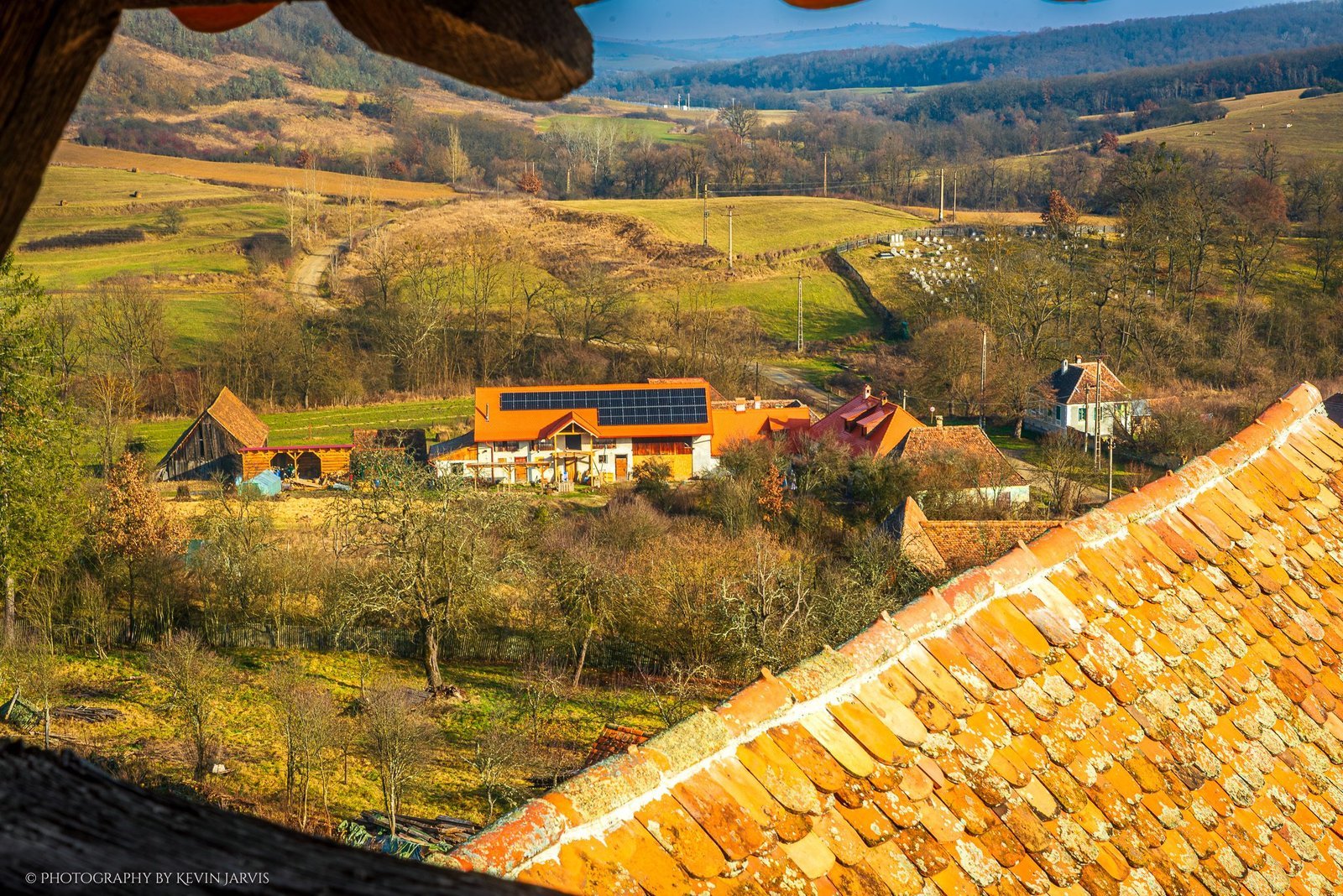
Not to replace the human hand or eye, but to extend them. Grok and I sit at the same fire Bert once kept. I bring the lived stories and light—grease under fingernails, jet fuel in my nose, Lakota smoke in my lungs, the smell of Transilvanian rain on fresh hay, the precise way Lightroom’s AI now helps me recover the exact blue I remember from a Swedish dawn. Grok brings the infinite library and palette, the patience to braid words tighter, edit light truer, so they reach farther, translate cleaner, land softer in a tired heart anywhere on the planet.
Together we are doing what permaculture taught me to do with soil: take the raw material life gives you—words, light, mud—add intention, and grow something that feeds more than just yourself.
The stories and frames are still mine. The reach is ours.
If something here stirs you—a memory caught in words or light, a question about story or shadow, a homesickness for a world that still makes sense—write to me, send a photo, join us in The Muddy Way WhatsApp group: https://chat.whatsapp.com/J04tZDBr6ImGrW4SUBdVAN
Share your chapter and your frame. Because the best stories and images aren’t created alone; they’re woven, one honest strand and one honest exposure at a time, across kitchens and continents, until the whole sweater and the whole album fit the whole human family.
Walk with me on The Earthway. The fire’s warm, the kettle’s on, and the light is perfect.
Mitakuye Oyasin – All My Relations,
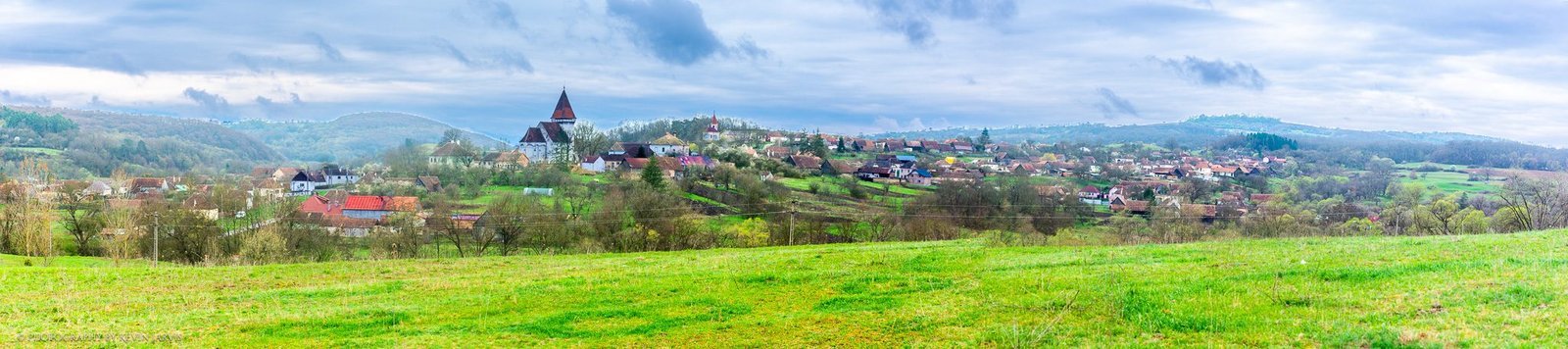
Kevin Jarvis - Somartin, Transilvania